
Share Your Details &
Connect With Medi Skin Hair Clinic

What is a Keloid?

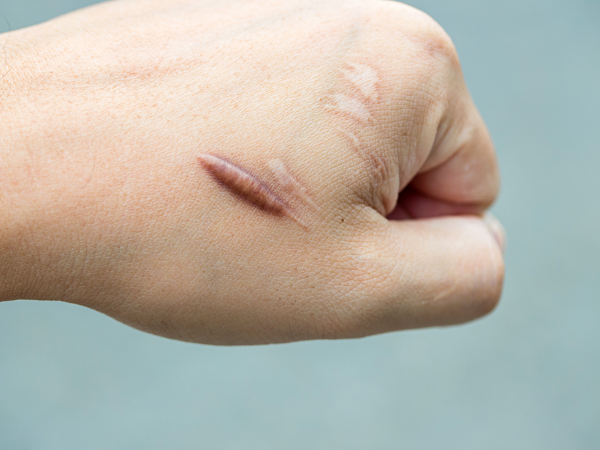
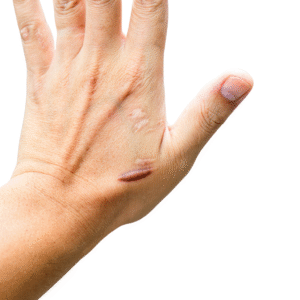
A keloid is an overgrowth of scar tissue that develops at the site of a skin injury, such as cuts, burns, surgical incisions, or acne. Unlike regular scars, keloids extend beyond the original wound and may appear raised, thick, and firm.

Causes of Keloid Formation

  • Skin Injury – Cuts, burns, surgical wounds, or acne scars.
  • Genetic Predisposition – Some individuals are more prone to keloids.
  • Inflammation During Healing – Excessive collagen production leads to raised scars.
  • Infections – Infected wounds may increase the risk of keloid formation.
  • Hormonal Factors – Certain hormonal changes may influence scar formation.
  • Piercings or Tattoos – Can trigger keloid development in susceptible individuals.
  • Delayed Healing – Poor wound care can exacerbate abnormal scar formation.

Step-by-Step Guide to Keloid Treatment

Keloids result from abnormal scar tissue overgrowth after skin injury. At MediSkin Hair Clinic, Pune, Dr. Shridevi Lakhe (MBBS, Dip. Dermatology) offers tailored treatments to reduce keloid size, relieve discomfort, and improve skin appearance.

Comprehensive Scar Assessment

The dermatologist examines the keloid, evaluates its size, age, and severity, and determines the most effective treatment plan.

01 
Step

Personalized Treatment Plan

Treatment options may include intralesional steroid injections, laser therapy, silicone sheets, cryotherapy, or surgical removal in selected cases to reduce scar tissue and prevent recurrence.

02
Step

Follow-Up & Maintenance

Regular follow-ups ensure optimal results, prevent recurrence, and provide ongoing care for scar management.

03
Step

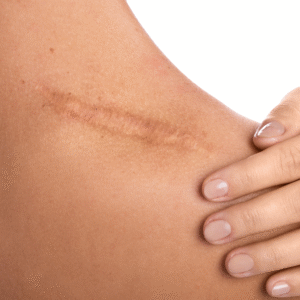
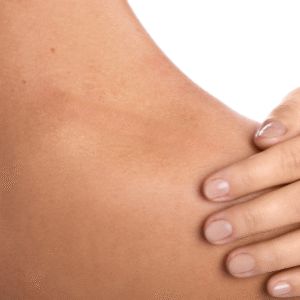
Before & After Transformations

Visible flattening and fading of keloid scars in a few sessions

Before After
Before After

Benefits of the Treatment

  • Flattens raised, thickened scar tissue
  • Improves skin texture and color
  • Relieves itching, discomfort, and tightness
  • Minimally invasive – no surgery required
  • Reduces chances of recurrence with preventive care

Prevention & Management

Early Intervention

Treat wounds promptly to reduce keloid risk.

Avoid Trauma to Healed Wounds

Prevents triggering keloid growth.

Use Silicone Sheets or Gel

Helps in flattening and softening scars.

Maintain Wound Hygiene

Prevents infection and abnormal scar formation.

Sun Protection

Protects scars from darkening or pigmentation.

Follow Dermatologist Advice

Especially for intralesional injections or laser therapy.

Monitor Scars Regularly

Early detection prevents progression.

Avoid Surgical Procedures

In keloid-prone areas without medical need.

Healthy Lifestyle & Nutrition

Supports skin healing and tissue repair.

What Our Patients Say

Neha R.
Neha R.
I had a large keloid on my shoulder from a previous injury. Dr. Lakhe’s treatment plan helped flatten it and improved its appearance.
Shrey A.
Shrey A.
The keloid on my chest was itchy and uncomfortable. The injections and laser sessions reduced it effectively.
Uma H.
Uma H.
After my acne left keloids on my back, the combination of silicone therapy and laser worked wonderfully.

Frequently Asked Questions

Keloids can persist if untreated, but professional treatments can reduce size, discomfort, and appearance.

Yes, recurrence is possible, but proper post-treatment care and monitoring minimize the risk.

Yes, when administered by a dermatologist, intralesional steroid injections are safe and effective.

Surgery is an option in select cases, often combined with other therapies to prevent recurrence.

Early wound care, silicone sheets, sun protection, and avoiding trauma can help prevent keloid formation in susceptible individuals.

Book Your Consultation with Dr. Shridevi Lakhe

📍 Location: Office No 1, M Floor, Tower A, Panchshil Soho Box Street, Opp YOO Villas, Behind Panchshil Towers, Upper Kharadi, Pune- 412207.
🕙 Hours: Mon–Sat, 10 AM–8:30 PM
📞 Call/WhatsApp: +91 86000 09731
✉️ Email: mediskinhairclinic@gmail.com