
Melasma Treatment
Fade stubborn pigmentation and even out facial skin tone with advanced dermatological care.
What is Melasma Treatment?
Melasma Treatment is a specialized procedure that targets dark, patchy pigmentation on the face caused by hormonal changes, sun exposure, or genetics. It combines approaches like topical agents, chemical peels, and laser therapy to lighten the affected areas and prevent recurrence. The result is a more even-toned, clearer, and radiant complexion.
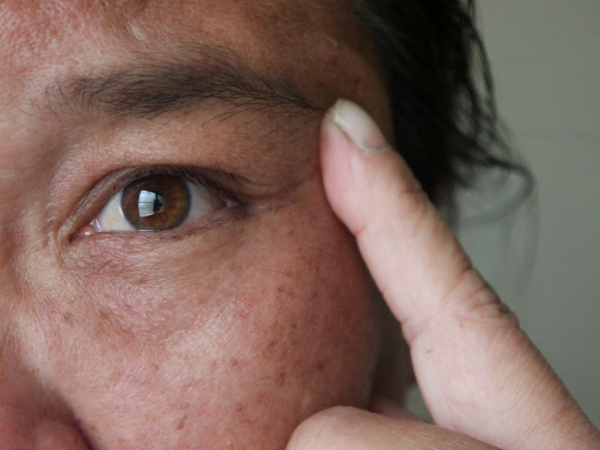
How the Procedure is Done
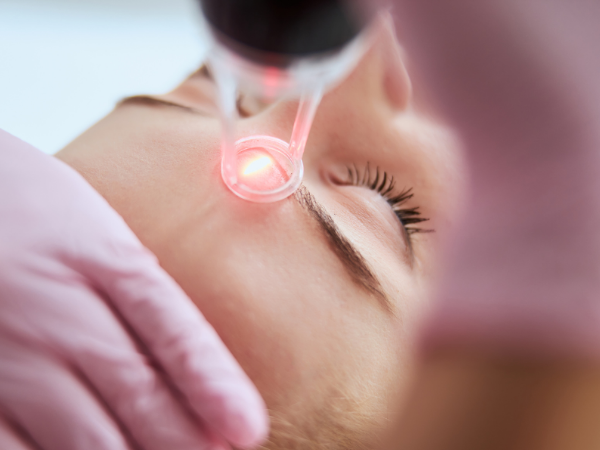
Step 1: Consultation and Melasma Evaluation
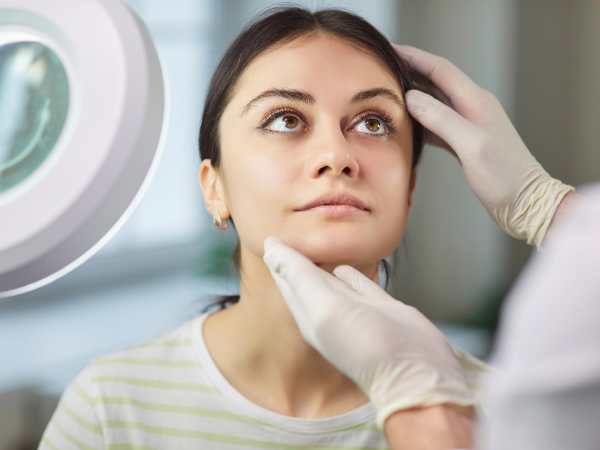
Step 2: Cleansing and Skin Preparation
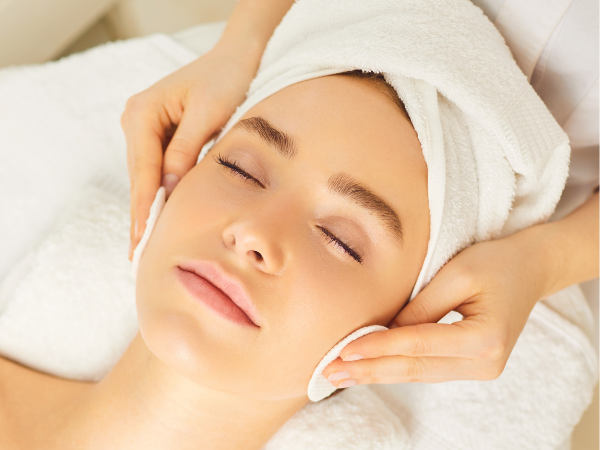
Step 3: Melasma Treatment Procedure
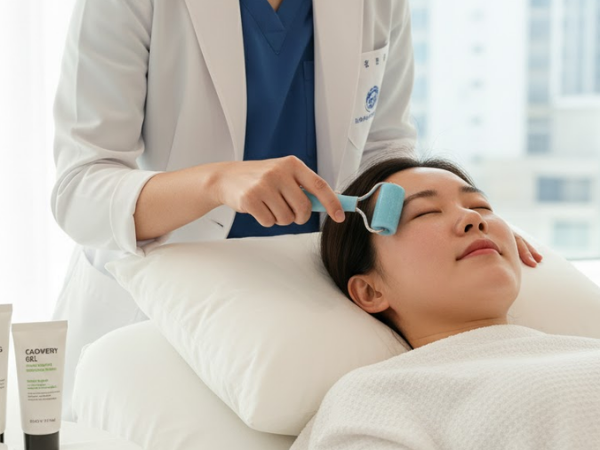
Step 4: Soothing and Post-Treatment Care
Know How Melasma Treatment Works at MediSkin Hair Clinic
- Skin Assessment – The affected areas are examined to determine the type, depth, and cause of melasma.
- Treatment Procedure – Targeted therapies such as laser treatment, chemical peels, or topical depigmenting agents are applied to reduce pigmentation.
- Pigmentation Reduction and Skin Brightening – The treatment helps lighten melasma patches, even out skin tone, and restore a clearer, radiant complexion.
Pre & Post Treatment Precautions
Pre Treatment Care
✅ Avoid sun exposure or tanning beds for at least 1–2 weeks before your session
✅ Stop using retinoids, AHAs, or skin-lightening creams 5–7 days before treatment
✅ Do not undergo any peel or laser procedure for at least 2 weeks before session
✅ Keep the treatment area clean and free from makeup, lotion, or moisturizer
✅ Inform your doctor about any medications or ongoing skin treatments you are taking
Post Treatment Care
✅ Avoid hot showers, saunas, or swimming for 24–48 hours after your session
✅ Apply a soothing prescribed cream or gentle healing ointment as recommended
✅ Avoid direct sun exposure and use broad-spectrum sunscreen on treated skin
✅ Do not scrub, exfoliate, or use harsh products on the area for at least 3–5 days
✅ Keep the skin moisturized and do not pick, peel, or rub the treated surface
Understand the Complete Treatment Process
FAQ's
Melasma is a common skin condition that causes brown or grayish-brown patches on the face, often on the cheeks, forehead, nose, and upper lip, primarily due to hormonal changes and sun exposure.
Melasma can be triggered by hormonal fluctuations (pregnancy, birth control pills), sun exposure, genetic factors, and sometimes certain medications or skin irritation.
While melasma may not always be permanently cured, treatments like topical creams, chemical peels, laser therapy, and sun protection can significantly reduce pigmentation and prevent worsening.
Yes, but treatment must be customized based on skin type and severity. A dermatologist can recommend safe and effective options for each individual.
Regular use of broad-spectrum sunscreen, minimizing sun exposure, avoiding hormonal triggers when possible, and following your dermatologist’s post-treatment care are key to preventing recurrence.