
What is Alopecia Areata Treatment?
Alopecia Areata Treatment is a medical procedure aimed at managing patchy hair loss caused by an autoimmune condition. It includes therapies such as corticosteroid injections, topical treatments, and advanced hair growth stimulants to promote follicle regeneration. The result is improved hair density and gradual regrowth in affected areas.

How the Procedure is Done
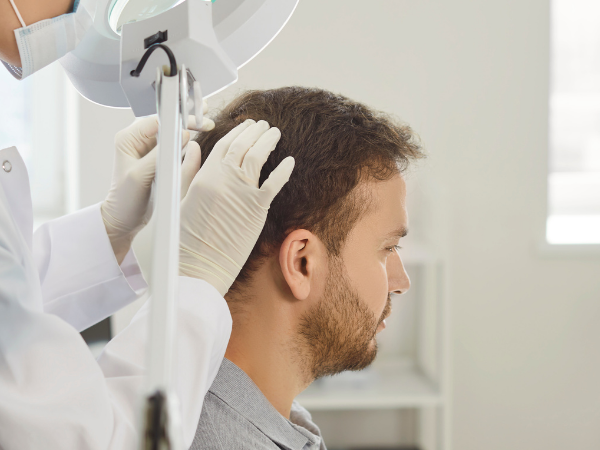
Step 1: Consultation and Scalp Assessment
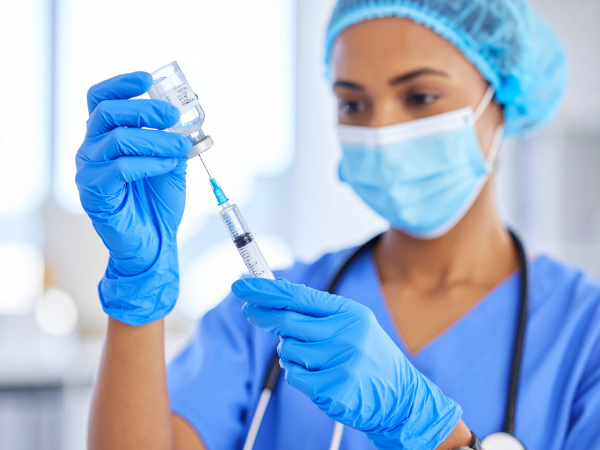
Step 2: Cleansing and Preparation
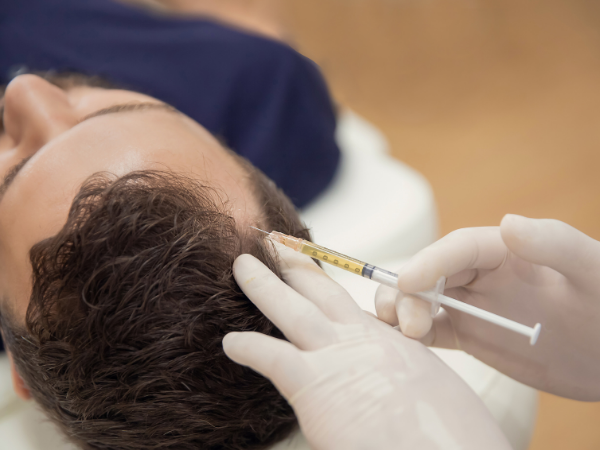
Step 3: Alopecia Areata Treatment Procedure

Step 4: Post-Treatment Care and Guidance
Know How Alopecia Areata Treatment Procedure Works at MediSkin Hair Clinic
- Scalp Assessment – The affected patches are examined to identify the type and severity of alopecia areata.
- Treatment Procedure – Depending on the condition, corticosteroid injections, PRP therapy, or topical medications are used to reduce inflammation and stimulate hair regrowth.
- Hair Regrowth and Restoration – The treatment helps reactivate dormant hair follicles, promote new hair growth, and restore patchy areas on the scalp.
Pre & Post Treatment Precautions
Pre Treatment Care
✅ Avoid applying hair oils, serums, or styling products on the day of your session
✅ Wash your hair with a mild shampoo a day before treatment
✅ Do not undergo any chemical treatments like coloring or straightening for at least 1 week prior
✅ Maintain a healthy diet and stay hydrated for optimal results
✅ Inform your doctor about any medications, allergies, or ongoing scalp treatments
Post Treatment Care
✅ Avoid washing your hair for at least 24–48 hours after the session
✅ Do not use harsh products for 3–5 days
✅ Avoid direct sun exposure, saunas, or swimming for 2–3 days post-treatment
✅ Gently massage your scalp only if advised by your doctor
✅ Follow the recommended hair care routine and medications for best results
Understand the Complete Treatment Process
FAQ's
Alopecia areata is an autoimmune condition that causes sudden, patchy hair loss on the scalp or other parts of the body, often without scarring.
It occurs when the immune system mistakenly attacks hair follicles, leading to hair loss. Genetic predisposition, stress, and environmental factors may also contribute.
Treatment options include corticosteroid injections, topical immunotherapy, PRP therapy, GFC therapy, and supportive medications to stimulate hair regrowth and prevent further loss.
Yes. While hair regrowth varies by individual, many patients respond well to treatment, and early intervention increases the likelihood of successful regrowth.
While recurrence is possible, managing stress, following the dermatologist’s treatment plan, and early intervention can help reduce flare-ups and maintain hair health.