
Share Your Details &
Connect With Medi Skin Hair Clinic
What is Nail Fungal Infection?
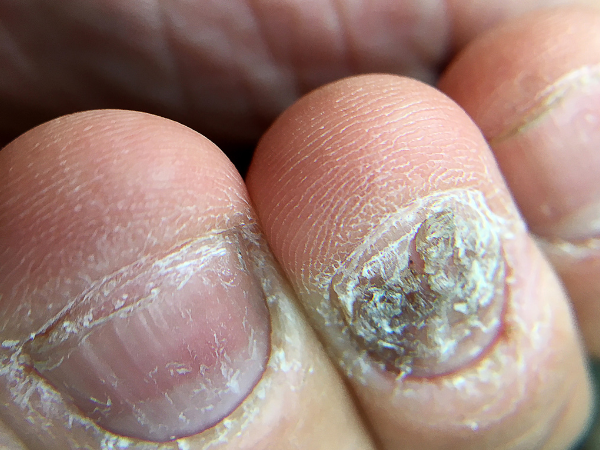
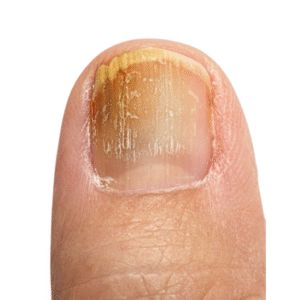
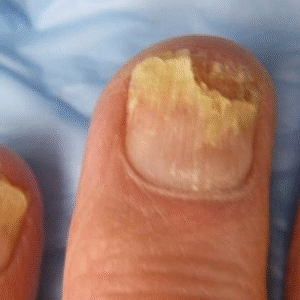
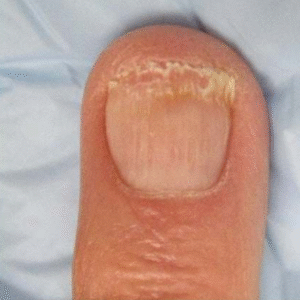
A nail fungal infection, medically known as Onychomycosis, occurs when fungi invade the nail plate, nail bed, or surrounding skin. It can affect toenails or fingernails, but is more common in toenails due to moisture and reduced air circulation in footwear.
Causes of Nail Fungal Infection
- Poor foot hygiene and excessive sweating
- Walking barefoot in communal areas (e.g. swimming pools, gyms)
- Wearing tight or closed footwear for long hours
- Nail trauma or injury
- Pre-existing skin conditions like athlete’s foot or psoriasis
- Weakened immune system or diabetes
- Sharing nail clippers or salon tools without sterilization
Step-by-Step Guide to Nail Fungal Infection
Nail fungal infection (Onychomycosis) is a common condition that causes thickened, discolored, and brittle nails. At MediSkin Hair Clinic, Pune, Dr. Shridevi Lakhe (MBBS, Dip. Dermatology) offers advanced and effective treatments to clear infection, restore nail health, and prevent recurrence.
Comprehensive Consultation & Diagnosis
01
Step
Targeted Fungal Nail Treatment Plan
02
Step
Aftercare & Maintenance
03
Step
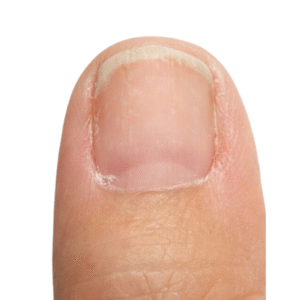
Before & After Transformations
Why Choose MediSkin Hair Clinic for Nail Fungal Infection?
- Dermatologist-led nail infection care
- In-clinic fungal testing for fast diagnosis
- Laser options for resistant or recurrent infections
- Personalized treatment based on infection severity
- Located conveniently in Pune
Prevention & Management
Maintain Proper Nail Hygiene
Keep nails clean to prevent fungal or bacterial buildup that causes discoloration.
Trim Nails Regularly
Cut nails straight across and file edges to avoid breakage and reduce fungal spread.
Avoid Walking Barefoot Publicly
Wear slippers or shoes in gyms, pools, or locker rooms to prevent fungal exposure.
Avoid Nail Polish During Infection
Let nails breathe and heal naturally without covering them with polish or extensions.
Change Socks Daily
Wear clean, dry socks every day to prevent sweat accumulation and fungal growth.
Avoid Sharing Nail Tools
Do not share clippers or files to minimize the risk of cross-contamination and infection.
Disinfect Nail Instruments
Clean and sanitize grooming tools after every use to keep fungal spores away effectively.
Use Breathable Footwear
Choose shoes made of natural materials that allow air circulation and reduce moisture buildup.
Follow Prescribed Medications
Use antifungal creams or oral medicines as directed by your dermatologist for complete recovery.
What Our Patients Say
Frequently Asked Questions
Nail fungal infections (onychomycosis) are caused by fungi that thrive in warm, moist environments. They can spread through shared nail tools, damp footwear, or contact with infected surfaces.
Common signs include yellow, white, or brown nail discoloration, thickened or brittle nails, foul odor, and sometimes pain or discomfort.
No. Fungal infections rarely go away without treatment. They can worsen or spread to other nails if left untreated, so medical care is essential.
Treatment may include topical antifungal creams, oral medications, laser therapy, or medical nail debridement, depending on the severity of the infection.
Keep your nails clean and dry, wear breathable footwear, avoid sharing nail tools, and regularly disinfect nail grooming instruments.
Book Your Consultation with Dr. Shridevi Lakhe
Location: Office No 1, M Floor, Tower A, Panchshil Soho Box Street, Opp YOO Villas, Behind Panchshil Towers, Upper Kharadi, Pune- 412207.
Hours: Mon–Sat, 10 AM–8:30 PM
Call/WhatsApp: +91 86000 09731
Email: mediskinhairclinic@gmail.com