
Share Your Details &
Connect With Medi Skin Hair Clinic
What is Urticaria?
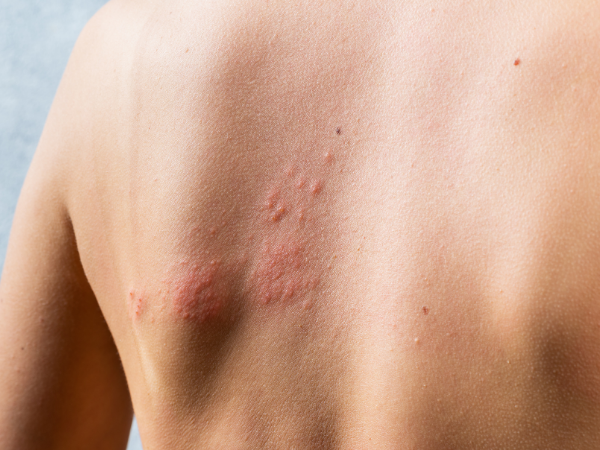
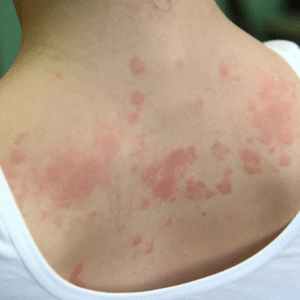
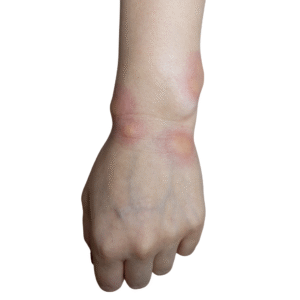
Urticaria is a skin condition marked by the sudden appearance of red, raised, itchy welts or bumps (hives) on the skin. These may vary in size and can last from a few hours to several weeks or even months, depending on whether the condition is acute or chronic.
Causes of Urticaria
- Food allergies (nuts, shellfish, eggs, etc.)
- Medications (antibiotics, painkillers)
- Insect bites or stings
- Stress and anxiety
- Exposure to cold, heat, sunlight, or water
- Infections (viral or bacterial)
- Autoimmune disorders
- Contact with irritants like pollen, latex, or certain fabrics
Step-by-Step Guide to Urticaria
We provide expert dermatologist-guided care for Urticaria (Hives) — a skin condition characterized by sudden red, itchy, and raised welts. Our goal is to identify triggers, relieve symptoms, and prevent recurrence through a personalized treatment plan.
Comprehensive Consultation & Diagnosis
01
Step
Customized Urticaria Treatment Plan
02
Step
Long-Term Management & Prevention
03
Step
Before & After Transformations
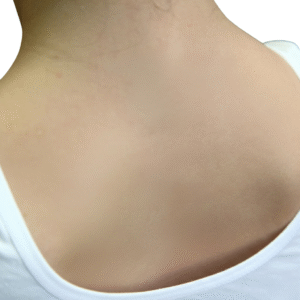
Visible reduction in welts and redness within 2–3 days of starting treatment.
Benefits of the Treatment
- Immediate relief from itching and redness
- Reduced frequency and severity of flare-ups
- Identification and elimination of root causes
- Safe, personalized treatment plans
- Improved skin health and better sleep
- Enhanced overall quality of life
Prevention & Management
Identify and Avoid Triggers
Keep track of foods, medications, or environmental factors that cause allergic skin reactions or hives.
Wear Loose, Soft Clothing
Choose breathable fabrics to reduce irritation and prevent friction on sensitive or itchy skin areas.
Avoid Scratching the Skin
Scratching worsens redness and swelling—apply cool compresses or soothing lotions for relief instead.
Use Gentle Skincare Products
Avoid harsh soaps, fragrances, or alcohol-based products that may aggravate irritation and itching.
Manage Stress Levels
Practice meditation, yoga, or deep breathing to minimize stress-related flare-ups of urticaria symptoms.
Follow a Balanced Diet
Eat light, nutritious meals and avoid common allergens such as shellfish, nuts, or processed foods.
Stay Cool and Comfortable
Excess heat or sweating can worsen itching—keep your surroundings cool and wear light cotton clothing.
Avoid Self-Medication
Unsupervised use of creams or tablets can worsen hives—always consult your doctor before starting any remedy.
Consult a Dermatologist
Seek expert evaluation for recurrent urticaria to identify causes and receive long-term, tailored care.
What Our Patients Say
Frequently Asked Questions
No, urticaria is not contagious and cannot be passed from one person to another.
Acute urticaria lasts less than 6 weeks. Chronic urticaria continues beyond 6 weeks and may occur daily or intermittently.
With the right treatment and trigger management, symptoms can be well-controlled. Some patients may need maintenance medication.
In rare cases, it can cause anaphylaxis (severe allergic reaction), which is a medical emergency. Most cases are not dangerous but can be uncomfortable.
Yes. Emotional stress is a known trigger for some individuals with chronic urticaria.
Book Your Consultation with Dr. Shridevi Lakhe
Location: Office No 1, M Floor, Tower A, Panchshil Soho Box Street, Opp YOO Villas, Behind Panchshil Towers, Upper Kharadi, Pune- 412207.
Hours: Mon–Sat, 10 AM–8:30 PM
Call/WhatsApp: +91 86000 09731
Email: mediskinhairclinic@gmail.com